

In the age of algorithms and endless online opinions, it’s no surprise that myths about mortgages spread fast, more so for first-time buyers looking for answers. But not all advice is created equal. Before you make one of the biggest financial decisions of your life, let’s separate fact from fiction and clear up the most common mortgage misconceptions.
Myth #1: “If I get pre-approved, I’m guaranteed the mortgage.”
Securing a mortgage pre-approval is an important step in the home-buying process, but it’s crucial to understand that it doesn’t guarantee final loan approval. Pre-approval indicates that a lender has assessed your financial situation (reviewing aspects like income, assets, and creditworthiness) and tentatively determined your eligibility for a loan up to a specified amount. However, this assessment is preliminary, and further verification may be needed.
Why Pre-Approval Isn’t a Guarantee:
- It Has a Conditional Nature: Pre-approvals are based on the information provided at the time of the application. If any discrepancies arise during the lender’s comprehensive underwriting process, such as undisclosed debts or inaccuracies in reported income, the final approval may be jeopardized.
- Financial Changes Can Occur: Significant alterations in your financial status after obtaining pre-approval can impact the lender’s decision. For instance, taking on new debt, changing jobs, or making large purchases can affect your debt-to-income ratio and overall creditworthiness, potentially leading to a loan denial.
- There May Be Property Appraisal Issues: The home’s appraised value is critical in the loan approval process. If the appraisal comes in lower than the purchase price, it can affect the loan-to-value ratio, prompting the mortgage lender to reconsider the loan terms or deny your loan altogether.
How Can I Boost My Chances of Final Mortgage Approval?
A pre-approval letter strengthens your position as a serious buyer and provides insight into your borrowing capacity, but it’s not an unconditional commitment from the lender. To enhance the likelihood of final approval:
- Maintain Your Finances Stable: Avoid making significant financial changes, such as opening new credit accounts or making large purchases, between pre-approval and closing.
- Provide Accurate Information: Ensure all information provided during the pre-approval process is accurate and complete to prevent issues during underwriting.
- Inform Yourself About the Process: Recognize that final loan approval involves thoroughly evaluating your financial situation and the home for sale you intend to purchase.
Myth #2: “The lowest interest rate is always the best deal.”
At first glance, the lowest interest rate might seem like the obvious winner, but don’t let the number alone fool you. A mortgage is more than just the rate you’re quoted.
In reality, a “cheap” rate can sometimes come with higher upfront costs, longer break-even periods, or hidden trade-offs that make it more expensive in the long run. Here’s why:
Discount points can skew the deal
Many lenders offer lower rates in exchange for upfront fees, known as discount points. Each point typically costs 1% of your loan amount and lowers your rate by about 0.25%. While this can save money over time, you’d need to stay in the home long enough to break even, often five to seven years or more.
Closing costs matter
A loan with a slightly higher interest rate but significantly lower closing costs might be the smarter option, especially if you’re not planning to stay in the home long-term. According to Bankrate, closing costs average 2% to 5% of the loan amount, and they add up quickly.
Lender credits can raise your rate
If a lender offers to cover some of your upfront costs through credits, you’ll usually pay for it through a higher interest rate. This can be a good option for buyers short on cash now, but it means higher monthly payments over time.
The loan term plays a role
Shorter loan terms often come with lower interest rates and less interest paid overall—but they also come with higher monthly payments. A longer-term with a slightly higher rate might be more manageable and still a better fit for your budget.
As you see, the lowest rate isn’t always the best deal; it’s just one part of the mortgage puzzle. To find the right loan, you’ll need to weigh the interest rate against the total cost of the loan, your upfront budget, and how long you plan to stay in the home. Much is about the full picture, not just the headline number.
Myth #3: “You Should Always Choose a 30-Year Fixed Loan.”
The 30-year fixed-rate mortgage is a popular choice among homebuyers. In 2022, nearly 9 out of 10 homebuyers chose to apply for a 30-year mortgage, based on government data reviewed by Homebuyer.com. Its popularity is primarily due to its lower monthly payments.
However, 30-year fixed mortgages are not a one-size-fits-all solution. Depending on your financial situation and long-term goals, other mortgage options might be more suitable. See a comparison in the following table:
Mortgage Loan Term Comparison Table
| Feature | 15-Year Fixed-Rate Mortgage | 20-Year Fixed-Rate Mortgage | 30-Year Fixed-Rate Mortgage |
| Interest Rates | Typically lower than 30-year loans. | Generally falls between 15-year and 30-year rates. | Typically higher than 15-year loans. |
| Monthly Payments | Higher due to shorter repayment period. | Moderate, balancing between 15-year and 30-year payments. | Lower, spread over a longer term. |
| Total Interest Paid | Less total interest over the life of the loan. | More than 15-year but less than 30-year loans. | More total interest due to a more extended repayment period. |
| Equity Build-Up | Faster equity accumulation. | The moderate pace of equity build-up. | Slower equity accumulation. |
| Affordability | Requires higher income to manage larger payments. | Requires moderate income level. | More accessible due to lower monthly payments. |
| Financial Flexibility | Less flexibility due to higher payments. | Balanced flexibility. | Greater flexibility with lower payments. |
Let’s go over the pros and cons of the 30-year fixed mortgage:
Advantages of a 30-Year Fixed Mortgage
- Lower Monthly Payments: Spreading the loan over 30 years results in smaller monthly payments, making homeownership more affordable.
- Increased Purchasing Power: Lower payments can enable you to qualify for a larger loan amount, potentially allowing you to purchase a more expensive home.
- Payment Flexibility: The reduced financial burden allows for the allocation of funds toward other financial goals, such as investments or retirement savings.
Disadvantages of a 30-Year Fixed Mortgage
- Higher Total Interest Costs: Extending the loan term means you’ll pay more in interest over the life of the loan compared to shorter-term options. For example, a $300,000 mortgage at 6.5% interest over 30 years could cost you over $380,000 in interest alone, while a 15-year loan at the same rate would cost around $170,000, saving you more than $200,000 in interest.
- Slower Equity Buildup: With lower monthly payments, less money goes toward the principal each month, resulting in a slower accumulation of home equity.
Myth #4: “You should stretch your budget to buy your dream home.”

The idea of “go big or go home” might work for some things, but when it comes to buying property, stretching your budget to the max can do more harm than good. Sure, the perfect kitchen or an extra bedroom sounds enticing, but pushing your finances too far to land your dream home can leave you house-rich and cash-poor.
Let’s see in more detail why stretching your budget is risky:
It reduces your financial cushion
Buying at the top of your budget often means putting every available dollar into your mortgage, leaving less room for savings, emergencies, or everyday expenses. According to Bankrate’s April 2023 Financial Security survey, nearly 40% of homeowners regret not accounting for the ongoing costs of ownership beyond the mortgage, like maintenance, repairs, and utilities.
You may overlook hidden costs
Property taxes, homeowner’s insurance, HOA fees, and rising utility bills can all inflate your monthly costs well beyond what a mortgage calculator shows.
It impacts your other life goals
A higher mortgage might force you to delay other important plans—like saving for retirement, investing, or taking a vacation without guilt.
Economic shifts can expose overreach
If interest rates rise, you lose income, or inflation tightens your budget, an overly ambitious mortgage can become a severe burden.
So, what would the smart move be? Buy below your maximum approval. Just because a lender pre-approves you for a certain amount doesn’t mean you have to spend it all. In fact, financial experts typically recommend keeping your housing expenses (including mortgage, taxes, and insurance) under 28% to 30% of your gross monthly income.
Myth #5: “A perfect credit score is mandatory.”
Reality check: You don’t need an 850 to buy a home. While your credit score does play a big role in determining your mortgage options, having a perfect score isn’t required, and most homebuyers don’t have one. So if this myth were true, no homes would be sold… ever.
But what are lenders actually looking for credit-wise? The minimum score requirements vary by loan type:
FHA loans: As low as 580 with a 3.5% down payment
Conventional loans: Typically start around 620
VA & USDA loans: Often flexible, though 640+ is preferred
Your full financial profile matters. Lenders also assess your income, employment history, debt-to-income ratio (DTI), and down payment.
While having a high credit score helps your probability of getting a loan to buy a house, it is not a guarantee of approval. A 780 score won’t help if you have an unstable income or high debt. Likewise, a mid-600s score might still land you a reasonable rate if your finances are solid elsewhere.
Pro tip: Instead of chasing a perfect score, focus on:
- Paying your bills on time.
- Reducing credit card balances if you have any.
- Avoiding new debt before applying for a mortgage.
Myth #6: “You need a 20% down payment or you’re out of luck.”
This is a common misconception that can discourage potential buyers. In reality, various loan programs allow for significantly lower down payments, making homeownership more accessible. Let’s see the downpayment options in more detail:
- Conventional Loans: These loans often require as little as a 3% down payment for first-time buyers.
- FHA Loans: Backed by the Federal Housing Administration, FHA loans permit down payments as low as 3.5% for borrowers with credit scores of 580 or higher.
- VA and USDA Loans: Eligible veterans, active-duty service members, and certain rural homebuyers may qualify for loans that require no down payment at all.
According to the National Association of Realtors, the median down payment for first-time homebuyers in recent years has been around 8%. This statistic underscores that many buyers successfully purchase homes without meeting the 20% threshold.
Considerations for Lower Down Payments
While lower down payments can make homeownership more attainable, be aware of the associated factors:
- Private Mortgage Insurance (PMI): Conventional loans with down payments of less than 20% typically require PMI, which protects the lender in case of default. However, PMI can often be canceled once you build sufficient equity.
- Loan Terms and Interest Rates: Smaller down payments might result in slightly higher interest rates or less favorable loan terms. It’s essential to evaluate how these factors impact your overall financial picture.
What Can I Do as a Prospective Home Buyer?
Assess Your Financial Situation: Determine a down payment amount that aligns with your savings, budget, and long-term financial goals.
Explore Assistance Programs: Research local and national programs that offer down payment assistance or grants to eligible buyers.
Consult with Mortgage Professionals: Engage with lenders to understand the range of loan products available and identify the best fit for your circumstances.
Myth #7: “Once I’m older, it’s too late to get a mortgage.”
There’s no age limit on getting a mortgage. Whether you’re 30, 60, or 75, lenders are legally prohibited from rejecting your mortgage application because of your age. What they can and will look at is your ability to repay the loan, not your birth certificate. What matters to lenders is:
- Income stability: If you’re retired, income sources like Social Security, pensions, rental income, and retirement account withdrawals (like 401(k)s or IRAs) can all count.
- Debt-to-income ratio (DTI): This shows how much of your monthly income goes toward paying debts. Most lenders want to see a DTI under 43%.
- Credit health: A solid credit history and score will still play a role in determining your loan terms, just like for any borrower.
- Assets: Savings, investments, or equity in other properties can all help strengthen your application.
So what about loan terms and age?
Some older borrowers, or borrowers in retirement, worry they won’t “live long enough” to pay off a 30-year mortgage, but that’s not how mortgage approvals work. Lenders aren’t concerned with whether you’ll live to the end of the loan term; they just care whether you can make the monthly payments now. A 30-year mortgage is just as possible at 70 as it is at 40, assuming your finances support it.
Pro tip: If you’re concerned about monthly payments in retirement, consider:
- Making a larger down payment
- Opting for a shorter-term loan (e.g., 15 or 20 years)
- Using existing home equity for a refinance or reverse mortgage (if appropriate for your situation)
Myth #8: “You Can’t Pay Off Your Mortgage Early.”
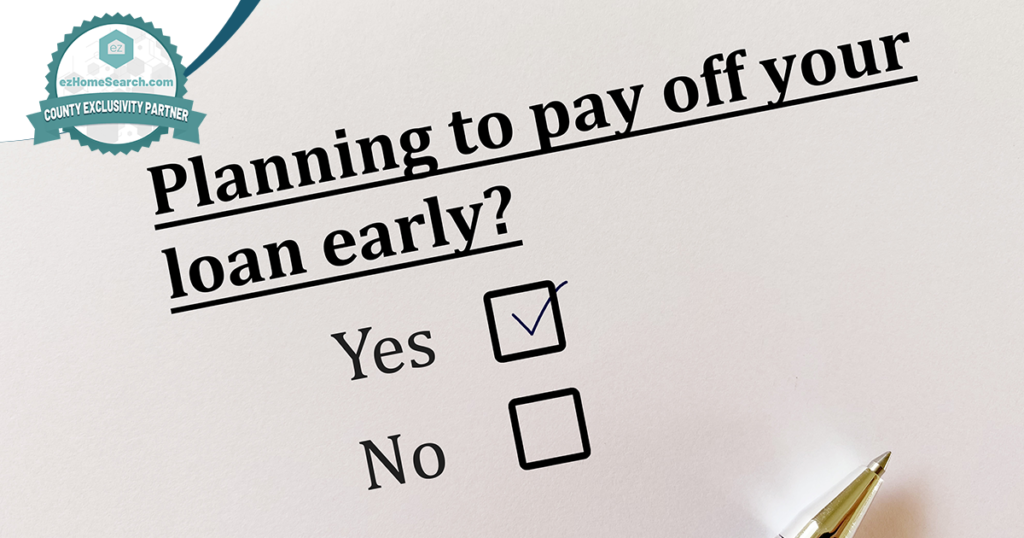
Contrary to popular belief, many homeowners can pay off their mortgages ahead of schedule. While some mortgages include prepayment penalties, these fees are less common today and are often limited to specific loan types or timeframes. Be sure to review your mortgage agreement or consult with your lender to determine if such penalties apply to your loan.
Strategies to Accelerate Mortgage Payoff
- Biweekly Payments: By splitting your monthly mortgage payment in half and paying every two weeks, you make 26 half-payments annually, the equivalent of 13 full payments. This extra payment each year can reduce the loan term and total interest paid.
- Additional Principal Payments: Allocating extra funds directly to the principal balance, whether through rounding up monthly payments or making lump-sum contributions, can decrease the overall interest and shorten the loan duration.
- Refinancing: Securing a new loan with a shorter term or lower interest rate can lead to significant savings and a quicker payoff. However, it’s crucial to assess closing costs and ensure the new terms align with your financial goals.
What should I consider before paying off early?
- Prepayment Penalties: Some lenders impose fees for early payoff, especially within the initial years of the loan. Understanding these potential costs is vital before making additional payments.
- Financial Priorities: Ensure that accelerating your mortgage payoff doesn’t compromise other financial objectives, such as maintaining an emergency fund or contributing to retirement accounts.
Myth #9: “I can’t get a mortgage because I’m self-employed.”
Being your own boss doesn’t mean you’re out of luck when it comes to getting a mortgage. Yes, the process may involve more paperwork, but self-employed borrowers qualify for home loans every day. The key is understanding what lenders look for and being ready to prove your financial stability.
What Lenders Need From Self-Employed Applicants
- Proof of consistent income. Unlike salaried employees who submit W-2s, self-employed borrowers must show at least two years of personal and business tax returns.
- Profitability matters. Lenders look at your net income after business expenses, not gross revenue, so deductions that reduce your taxable income can also lower your borrowing power.
- Documentation is key. Be prepared to share bank statements, 1099s, profit-and-loss statements, and possibly even a CPA letter confirming the stability of your business.
- Credit and debt-to-income (DTI) still count. A strong credit score and a DTI ratio below 43% (the general benchmark) will work in your favor, just like with traditionally employed applicants.
Loan Options Available For Self-Employed Borrowers
Conventional loans are accessible to self-employed borrowers who can meet income and credit standards.
Bank statement loans may be an option for those with substantial deposits but complex or tax-deductible-heavy income reports.
FHA and VA loans may also be within reach, depending on income verification and eligibility.
Myth #10: “I should wait until I’m completely debt-free before applying for a mortgage.”

It’s a common misconception and one that sounds responsible on the surface, but in reality, waiting until you’ve paid off every loan and credit card is not only unnecessary but a potential setback in your path to homeownership.
Most people carry some form of debt when they buy a home. What lenders want to see isn’t zero debt but that you’re managing the debt effectively. What matters to lenders is:
- Balance is more important than elimination: Having a car loan, student debt, or even a bit of credit card debt won’t disqualify you from a mortgage. What matters is that your monthly debt payments aren’t eating up too much of your income. Lenders use a metric called the debt-to-income ratio (DTI) to gauge this.
- DTI, not debt-free, is the benchmark: A DTI below 43% is considered acceptable for most conventional loans. Some programs, like FHA loans, may allow higher ratios with compensating factors (like a larger down payment or strong credit).
- Credit activity matters more than credit silence: Having no debt at all can hurt your credit profile. Active, well-managed credit accounts help demonstrate that you’re a reliable borrower. It shows up in your credit score, which lenders use to determine risk and set your interest rate.
Conclusion: Mortgage Myths
Buying a home is one of the biggest financial decisions you’ll ever make, and it’s easy to get sidetracked by misinformation. While often well-intentioned, mortgage myths can create confusion, delay your plans, or lead you down a more expensive path.
Understanding how mortgages work puts you in control. With the proper guidance, a realistic look at your finances, and a willingness to ask questions, you can cut through the noise and make decisions that align with your goals, not someone else’s assumptions.
When in doubt, lean on trusted professionals, check the facts, and remember: informed buyers make confident homeowners.
About the Author: Preston Guyton is the founder of ez Home Search. He has been a real estate leader for over 20 years. Starting with a focus on South Carolina, he has helped coach and empower real estate professionals to achieve their full potential by meeting the needs of their local community.